
Tick control in San Antonio, Texas
San Antonio’s warm climate and proximity to natural habitats make it an ideal environment for ticks year-round. These small, blood-feeding arachnids can pose significant health risks to both humans and pets. Understanding the types of ticks prevalent in the area, the diseases they can transmit, and effective prevention and control measures is essential for safeguarding your family and home.
Why Are Ticks a Problem in San Antonio?
Ticks in San Antonio can spread various diseases:
- Lyme Disease: Caused by the bacterium borrelia burgdorferi, leading to symptoms like fever, fatigue, and a characteristic bull’s-eye rash.
- Ehrlichiosis: A bacterial infection causing fever, fatigue, and muscle aches.
- Tularemia: Also know as “rabbit fever,” it presents with symptoms such as fever, skin ulcers, and swollen lymph glands.
- Rocky Mountain Spotted Fever: characterized by fever, rash, and a history of tick exposure.
- Alpha-gal Syndrome: An allergy to red meat caused by tick bites, particularly from the lone star tick.
Common ticks in San Antonio
Several tick species are commonly found in San Antonio:
Lone Star tick
- Recognizable by the distinctive white spot on the back of the female
- aggressive and can transmit diseases such as ehrlichiosis, tularemia, and lyme disease.
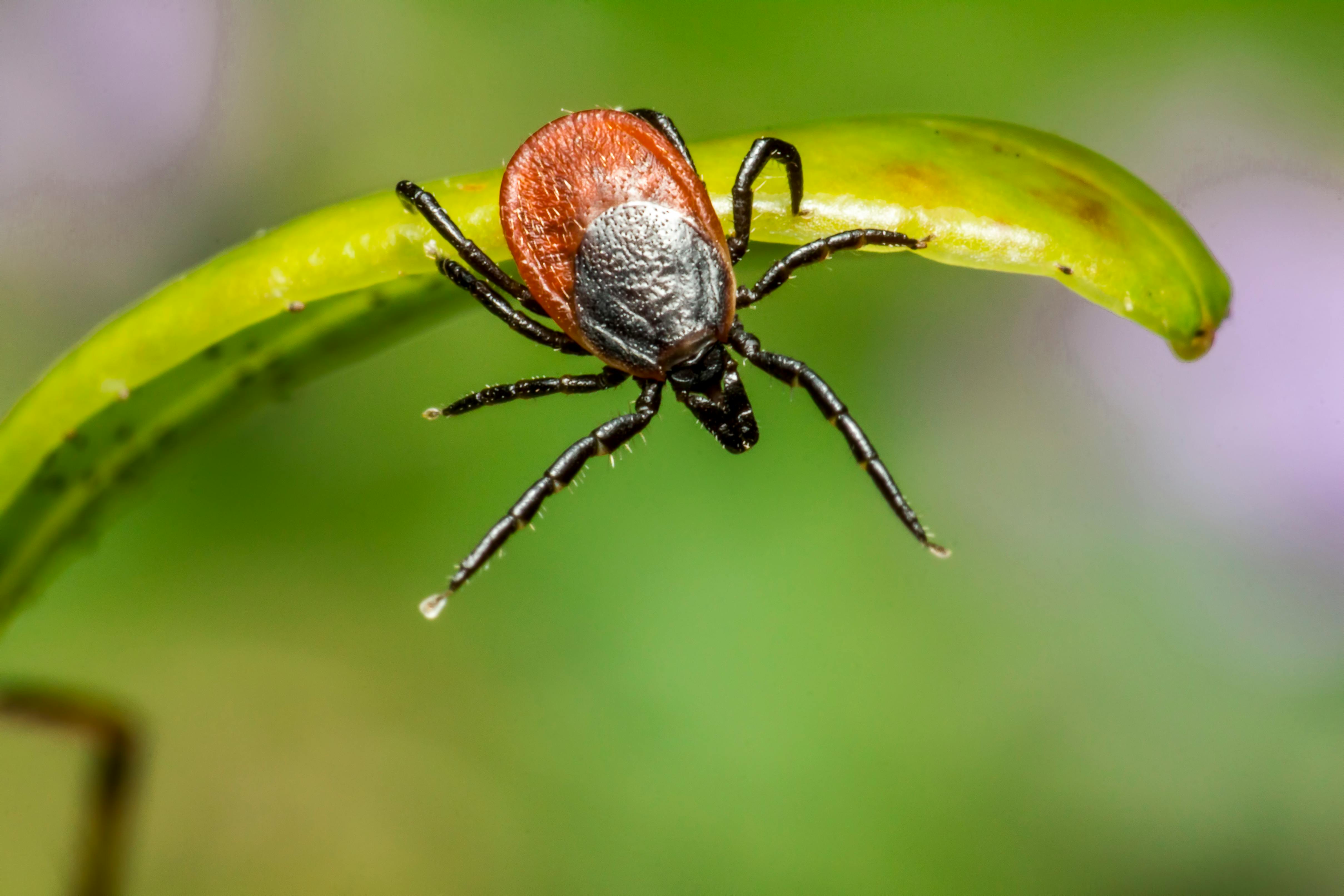
Black-legged tick (deer tick)
- Known for its black legs.
- This tick is a primary vector for lyme disease and can also transmit anaplasmosis and the powassan virus.
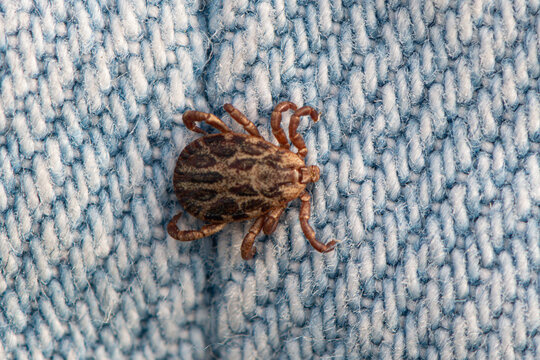
American dog tick:
- Preferring larger mammals
- This tick is a known carrier of rocky mountain spotted fever and tularemia
Brown dog tick
- Most common tick found on dogs.
- Can transmit diseases like ehrlichiosis.
- This tick is less likely to bite humans.
Tips to prevent ticks
Ticks can seem scary but there are ways to minimize the risk of tick bites:
- Maintain Your Yard– Regularly mow grass, trim shrubs, and remove leaf litter to reduce tick habitats.
- Use Tick Repellents – Apply EPA-registered repellents containing DEET, picaridin, or permethrin to skin and clothing.
- Wear protective clothing – When venturing into wooded or grassy areas, wear long sleeves, pants, and tuck pants into socks.
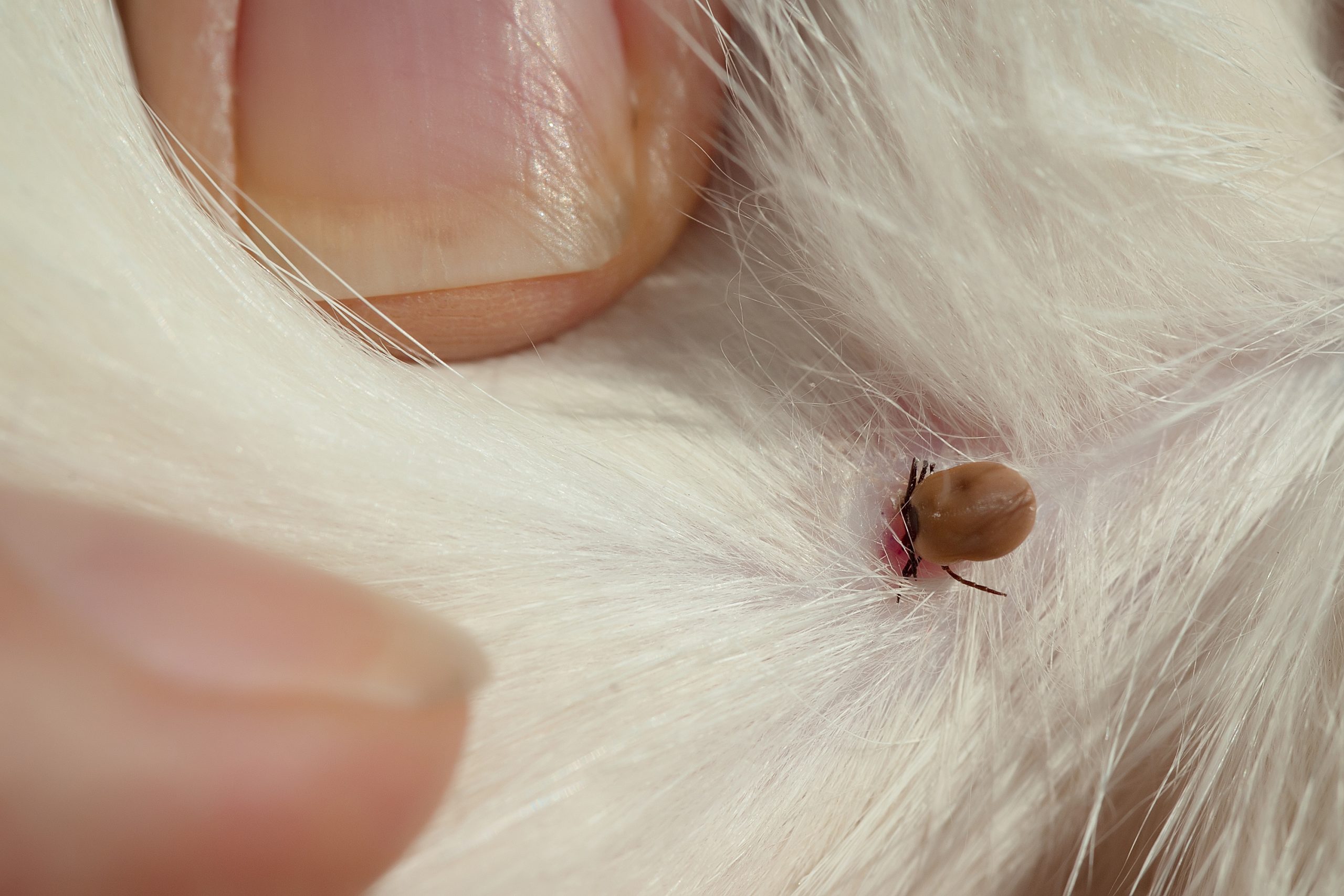
- Check for Ticks – After outdoor activities, thoroughly check yourself, children, and pets for ticks.
- Consult Your Veterinarian – Discuss tick prevention strategies with your veterinarian for your pets. Including topical treatments or tick collars.
Truguards process to help control ants
- Inspection: Our process begins with a thorough inspection of your property. Our specialists identify Tick hiding spots, entry points, and the extent of the infestation. This detailed assessment allows us to tailor our approach to your needs.
- Custom plans: Based on your unique needs, our specialist will create a plan catered to your home. Including strategies for eliminating ticks and preventing infestations from forming.
- Using top of the line eco-friendly products: TruGuard uses the most effective and eco-friendly methods for tick control. Using a variety of methods to treat for ticks giving multiple layers of protection. All while focusing on protecting the environment.
- Sanitation guidelines: Tick infestations can worsen due to many environmental factors. Our knowledgeable experts will provide recommended sanitation practices to help reduce attractants and help keep ticks out.
- Monitoring and prevention: Our plans are designed to offer ongoing monitoring and prevention through regular inspections and treatments.
Ticks are an inevitable part of life in San Antonio, but that doesn’t mean you have to put up with them in your home. By staying proactive with prevention and using the right removal methods, you can keep these invaders under control.
Have you had issues with ticks in San Antonio? If so fill out the information down below for a free quote.

 TruGuard Pest Control